

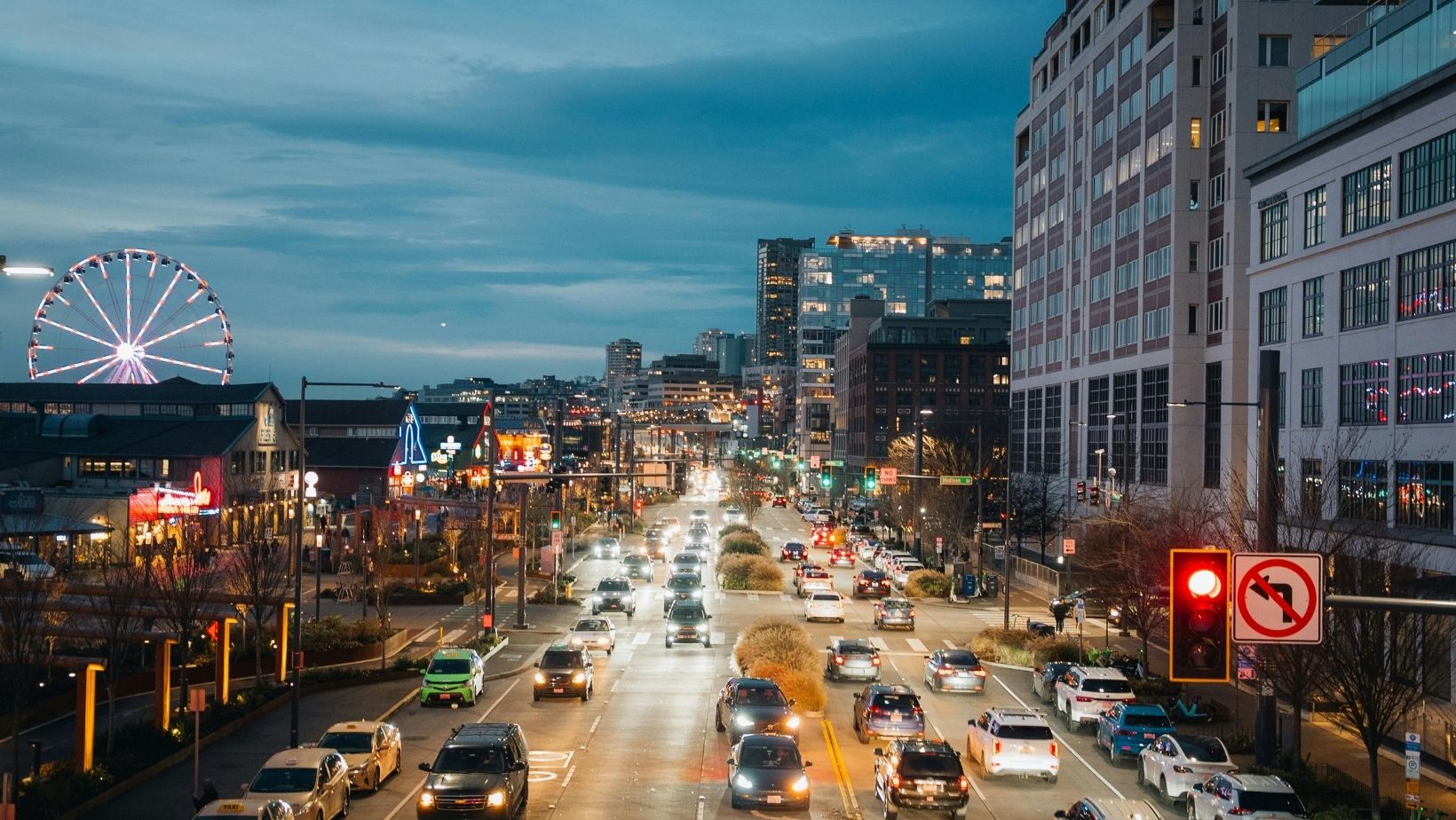
The weekends lost to crowded open houses and the disappointment of being outbid by all-cash offers take a massive toll. Bidding wars in Capitol Hill and South Lake Union are exhausting. Buyers and renters alike feel increasingly priced out of the city’s central hubs, forced to compromise on space just to secure a Seattle zip code.
This financial strain is real and entirely validated by current market data. The average rent for an apartment in Seattle hovers around $2,242 as of early 2026. Pushing your budget to the absolute limit for a cramped studio is a frustrating reality for many young professionals and growing families.
If you are tired of fighting for overpriced square footage and want a community that holds onto the old Seattle vibe we all miss, it is time to look slightly south. You do not have to pack up and leave King County entirely. The best real estate deals are hiding just outside the corporate core.
Stepping outside the bubble means discovering areas with a bit of a grungy feel, incredible food scenes, and a whole lot of local pride. For example, reading an insider’s guide to White Center, WA is a great way to explore a vibrant, authentic community where your housing budget actually stretches.
The 2026 Seattle Real Estate Reality Check
If you took a break from house hunting over the last few years, the current market might actually surprise you. Stabilizing interest rates and shifting market realities are creating a much friendlier environment for Seattle buyers right now. The frantic, sight-unseen bidding wars of the past are cooling off, giving you time to make a smart financial investment.
Over the past few years, buyers felt rushed into making rapid compromises. Today, the numbers are finally tilting back in the buyer’s favor. Active residential housing listings in the greater Seattle region increased by nearly 28% year-over-year in February 2026.
This significant bump in inventory means you actually have time to schedule a second tour, request inspections, and thoughtfully consider your options. To understand why this shift is happening, look at seller behavior. Steven Bourassa, director of the Washington Center for Real Estate Research, notes:
“Listings continue to increase year over year… as sellers decide to move on with their lives rather than wait for better market conditions.”
Why Your Zip Code Dictates Your Lifestyle (and Wallet)
Seattle is a patchwork of hyper-local pockets where the true cost of living changes drastically block by block. A ten-minute drive can mean the difference between stretching your paycheck and comfortably saving for the future. Targeting the right neighborhood is a massive financial game-changer.
In central areas, you are not just paying high rent. You are also absorbing premium costs for groceries, parking, and daily entertainment. The price gap across the city is staggering. Renters in the 10th percentile pay around $1,300/month, while those at the 90th percentile pay upwards of $3,600/month.
That massive difference directly impacts your ability to enjoy the city, dine out, or save for a down payment. To put this into perspective, let’s look at how central hubs compare to neighborhoods just outside the bubble.
| Neighborhood Type | Average Monthly Housing Cost | Overall Community Vibe | Walkability & Amenities |
|---|---|---|---|
| Central Hubs (e.g., SLU, Capitol Hill) | $2,800 – $3,600+ | Fast-paced, corporate, luxury-focused | High walkability, mostly high-end retail and national chains |
| Just-Outside-the-Bubble (e.g., White Center) | $1,500 – $2,300 | Artsy, historical, strong local pride | Moderate walkability, independent dive bars, global food scenes |
What Makes a Neighborhood “Authentic”?
When longtime residents talk about the “old Seattle vibe,” they are usually describing a very specific feeling. It means streets lined with local business ownership, distinct historical architecture, and a strong sense of community pride. It is the feeling of walking into a coffee shop where the barista actually knows your name, rather than standing in a sterile corporate lobby.
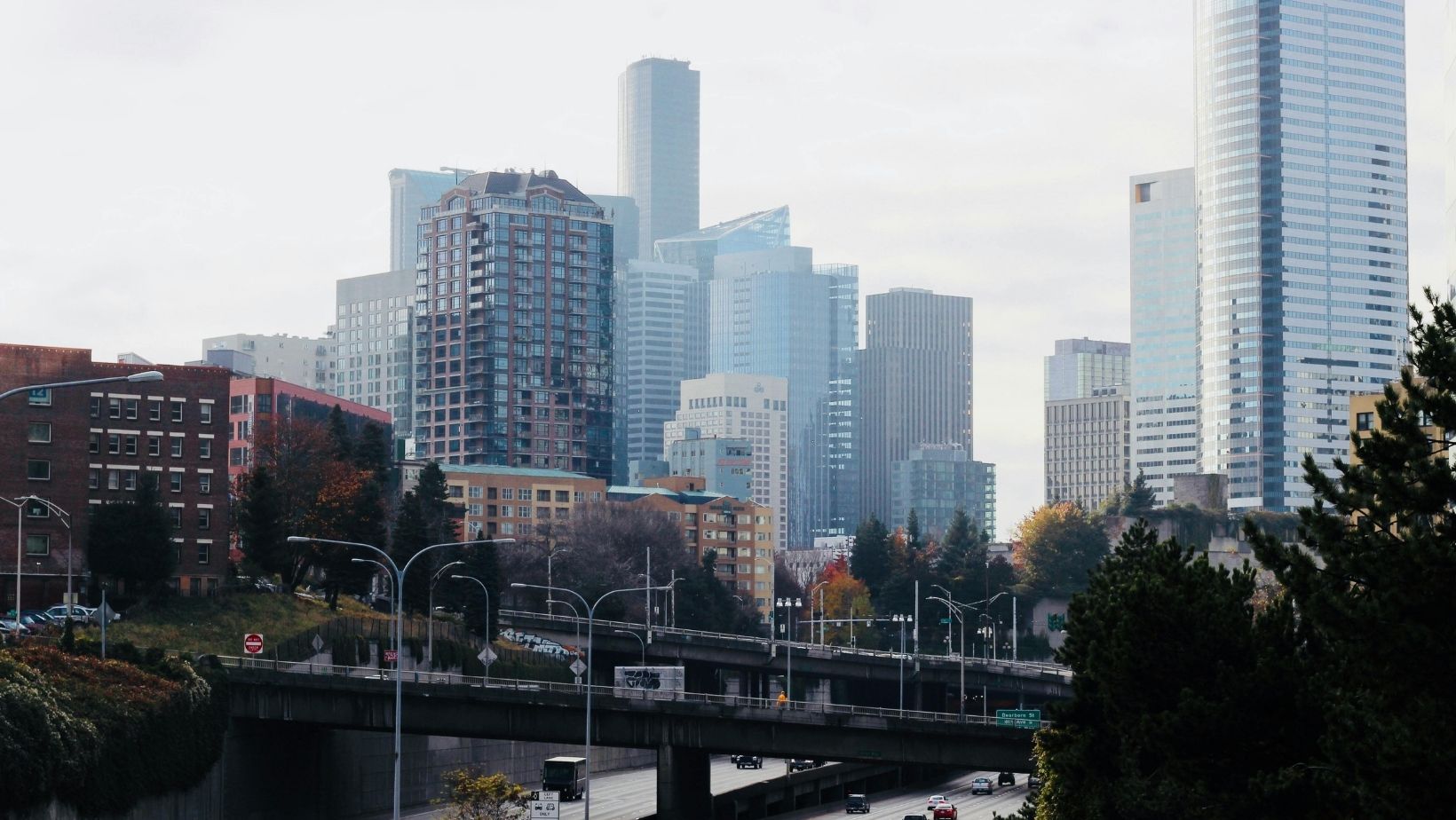
For buyers, homes for sale in White Center, WA offer more than a roof over your head. They provide access to a neighborhood with real character and a sense of belonging. Local agencies can provide insights into which properties best reflect the area’s charm while meeting practical needs like commute, schools, and modern living spaces. This perspective helps buyers make informed decisions and connect with a community that matches their lifestyle, not just their checklist.
Seattle’s perimeter neighborhoods are rich with history and tight-knit communities that look out for one another. You just have to know what qualitative factors to look for when scouting your next home.
The Food Scene and Local Culture
Local amenities dictate a neighborhood’s personality. The places where people gather, from beloved dive bars to emerging foodie scenes, tell you everything you need to know about an area’s true character. A neighborhood thrives when its residents actively support local entrepreneurs and multigenerational establishments.
Consider the polished, glass-and-steel feel of South Lake Union. It caters to efficiency and luxury, but often lacks a localized soul. Contrast that with the artsy, historical grunge of a place like White Center. Here, you will find family restaurants sitting right next to eclectic new breweries, creating a vibrant culture that feels distinctly Seattle.
Balancing the Tech Commute with Suburban Peace
One of the biggest anxieties for buyers is maintaining access to work without living in the middle of the corporate sprawl. Finding suburban tranquility often requires a daily trade-off with your commute. If you work at major tech hubs like Amazon or Microsoft, time spent in traffic is a massive quality-of-life factor.
Fortunately, regional transit has expanded, making perimeter neighborhoods far more accessible. You do not have to live in the shadow of the Spheres to keep your commute under 45 minutes. Furthermore, with many tech companies settling into permanent hybrid work models, you might only need to brave the I-5 or 520 bridge two or three days a week.
Spotting Strong Resale Value and Community Investment
Buying a home is both a lifestyle choice and a major financial decision. You want to identify a neighborhood that represents a smart, sustainable investment. The trick is finding hidden gem communities outside the typical Seattle bubble before they peak in market price.
You can spot these up-and-coming areas by looking for visible signs of positive community investment. Notice if independent local businesses are opening up along the main commercial strips. Pay attention to infrastructure improvements, like new community centers, repaved sidewalks, or planned transit stations.
Conclusion
You do not have to overpay in the city center to get the authentic Seattle lifestyle. The old-school charm, local food scenes, and tight-knit communities still exist. They have simply shifted slightly away from the downtown core. By expanding your search radius, you protect your budget while gaining a richer living experience.
With the 2026 inventory surge, buyers currently have the advantage to find a neighborhood that fits both their vibe and their budget. You no longer have to compromise on space or character just to win a frantic bidding war. The market is finally giving you the chance to make a confident, well-researched choice.