


Harmonicode publishes gaming and esports writing, and a search for harmonicode sports usually means a reader wants to know whether the site covers sports. The public pages show an Esports label, a Retro Gaming label and a Video Gaming label, but no general sports section. This deep-dive looks at how the gaming coverage is organised, who writes it, and what a careful reader can and cannot conclude from the pages available.
| Is there a sports section? | Not in the excerpt. The closest label is Esports. |
| What gaming labels appear? | Esports, Retro Gaming and Video Gaming. |
| Who writes the posts? | Several bylines appear. No editor or owner is named. |
| Where is the contact route? | A Contact page and a The Team page are in the menu. |
| What should I check first? | The label, the date and whether the piece names its sources. |
What the Harmonicode gaming labels hold
The menu runs Everything, Esports, Retro Gaming and Video Gaming, followed by About, The Team and Contact. The Esports label is the nearest thing to sport on the site, and it is where a reader looking for competitive play would start. The Retro Gaming and Video Gaming labels cover older titles and the wider game market.
The article teasers reflect that split. One piece argues that modern games feel alike, another reviews how technology has changed play, and a third explains randomisation in software. Each teaser describes a topic rather than a verdict, so the first paragraph of a piece is the best guide to what it argues.
Harmonicode sport questions the excerpt can answer
Searchers who type harmonicode sport, sport harmonicode or sports harmonicode often want one thing: a list of sports articles. The excerpt does not supply one. Any esports content is best read as competitive gaming, not as coverage of traditional sport, and a reader should not expect scores, league tables or match previews from the pages visible here.
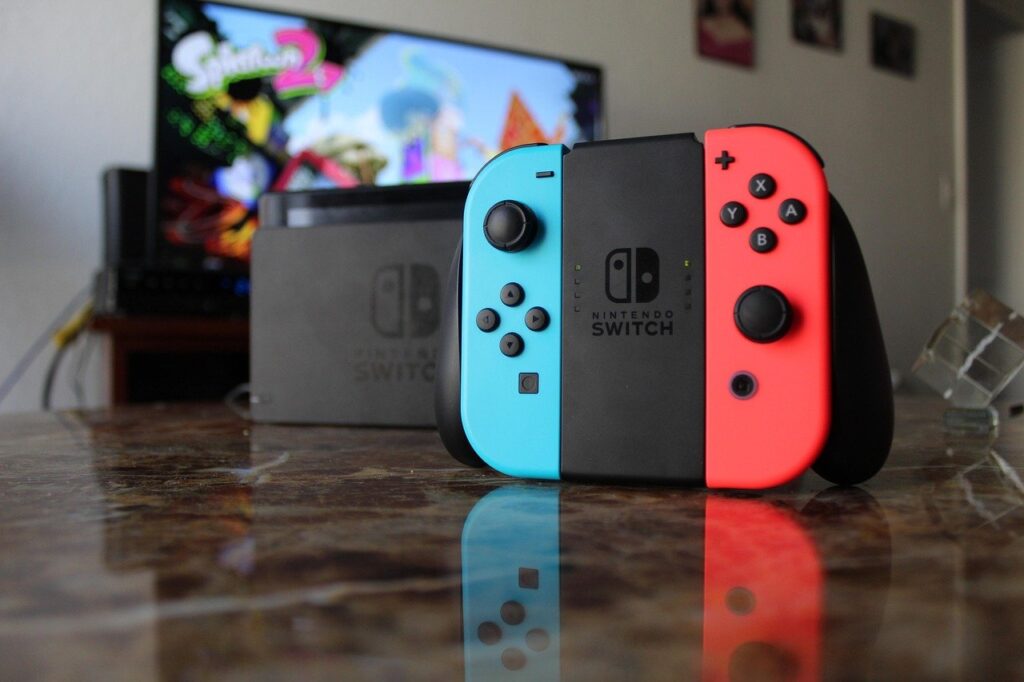
Reading the pages closely shows a clear pattern. The site treats play as software, design and culture. Esports and sports are therefore different subjects on this site, and the phrase harmonicode sports describes a reader’s guess more than a section name.
Esports is a useful word to keep apart from sport. Competitive play has rules, rankings and tournaments, and a reader who wants those facts will find them in dated tournament reporting, not in general design writing. A gaming feature is a reading about play and its audience, so it should not be treated as a fixture list.
Who writes Harmonicode pieces and how to judge them
Bylines in the excerpt belong to two writers, and some items show no byline at all. The site does not name an owner, a founding date or an editorial policy on the pages read. A reader who wants to weigh a piece should look for the author line, the date and any named source before giving the argument much weight.
- Check the label first, so you know whether the piece is about competitive play, retro hardware or the wider game market.
- Read the opening paragraph for the claim, then look for a source that can be checked.
- Note whether the byline is given, because several items in the excerpt carry no name.
- Compare dated pieces on the same topic, since a single post may reflect the date it was written.
Where the Harmonicode excerpt goes quiet
The excerpt does not show a sports results feed or a fixtures page, and this post does not describe any. It also shows no review policy, so a reader cannot tell from the public pages how reviews are chosen or whether a product was supplied free. The Contact page is the route for asking those questions, and the reply time is not stated anywhere visible.

Some items in the excerpt cover subjects outside gaming. This post does not discuss them. Readers who land on the site for a sport should say so in their question, and should not rely on a label that is named for something else.
The pages read also do not explain the site’s business model. No advertising policy, sponsorship disclosure or affiliate note appears in the excerpt. A reader should keep that gap in mind when a piece recommends a product or a service, and look for a disclosure before accepting the recommendation.
How to use Harmonicode for a sports or esports question
For a competitive gaming question, start with the Esports label and read the newest dated pieces. For a question about retro titles or the wider market, use Retro Gaming or Video Gaming. For a traditional sport, the site as excerpted is not the right source, and a dedicated sports outlet will serve better. Keep a short list of what you checked and when, so that a later visit can show what has changed.
When you return to the site, compare the newest dates against your last visit. The excerpt shows several pieces from the same month, so a short list of titles and dates is enough to track what was added and to spot a piece you have already read.
Retro and video game pieces read on their own terms
The Retro Gaming label is the most nostalgic part of the site. A piece there is likely to be about older hardware, classic design or the history of a genre. Those subjects reward a slow read, since the argument often depends on a period detail that a headline does not show. Check whether the writer names the console, the year or the title being discussed before you rely on a claim about it.
The Video Gaming label covers the wider market and the way games are built and sold. Its pieces tend to make arguments about trends, such as how similar modern titles have become. Such arguments are opinions supported by examples, so the examples are the part to test. Ask whether the examples are named, whether they are recent, and whether they would support the same conclusion if the writer had picked different games.